On grieving the academia that never was
I have spent years mourning the fact that academia no longer exists in the form I was always drawn to.
That somehow my place in the human timeline failed to overlap with the version of academia I’ve spent my life longing for.
A version that, like all good things, was eventually consumed by the capitalistic machine. Optimized into oblivion.
I don’t even mean the prestige version. I lost that delusion long ago. I mean the romantic version.
The version where people spend afternoons arguing about ideas. The version where a question is reason enough to spend a year looking for an answer. The version with nights spent fugue-stating an essay into existence.
Where libraries feel sacred. Where knowledge is pursued simply because it’s beautiful and strange and worth pursuing. Where a wounded yet ever-inspirational young upstart leads a band of once-doubtful rapscallions.
(You know the vibe.)
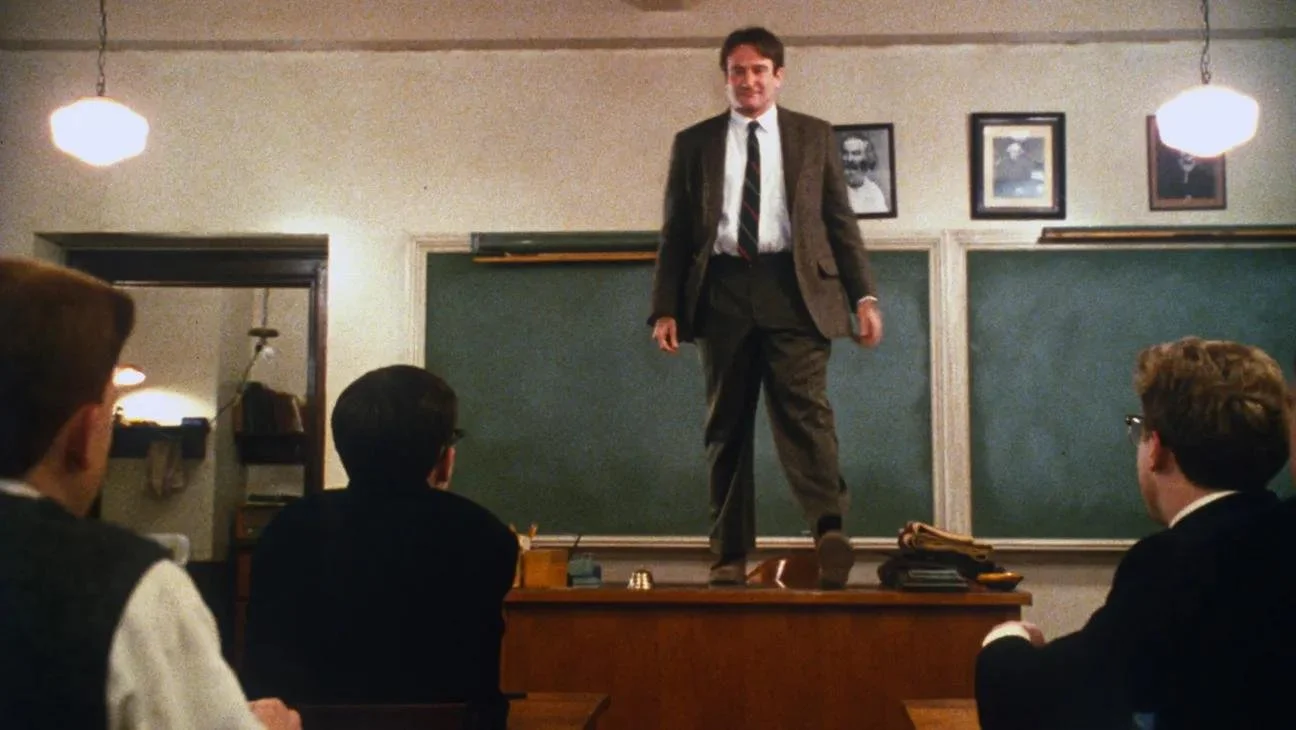
That is the academia I fell in love with.
The mythological version.
The Ruining of a Perfectly Good Daydream (Enter: The Spreadsheet People)
The reality, of course, is something else.
It’s a seventy-thousand-dollar yearly price tag. Business metrics guiding leadership decisions. Dwindling research opportunities. Impossible workloads. Laughable pay. A catastrophic job market. An education system increasingly treated as a commodity rather than a public good.
Learning has become transactional. A degree is expected to justify itself through earning potential. Curiosity must prove its usefulness. Entire disciplines are forced to defend their right to exist according to corporate standards.
The conversation is no longer What can this teach us? The conversation is What is the return on investment?
And that’s what hurts the most. Not that academia has problems. Lord knows it always has.
It’s that the purpose has changed.
Built for the Monastery, Born for LinkedIn
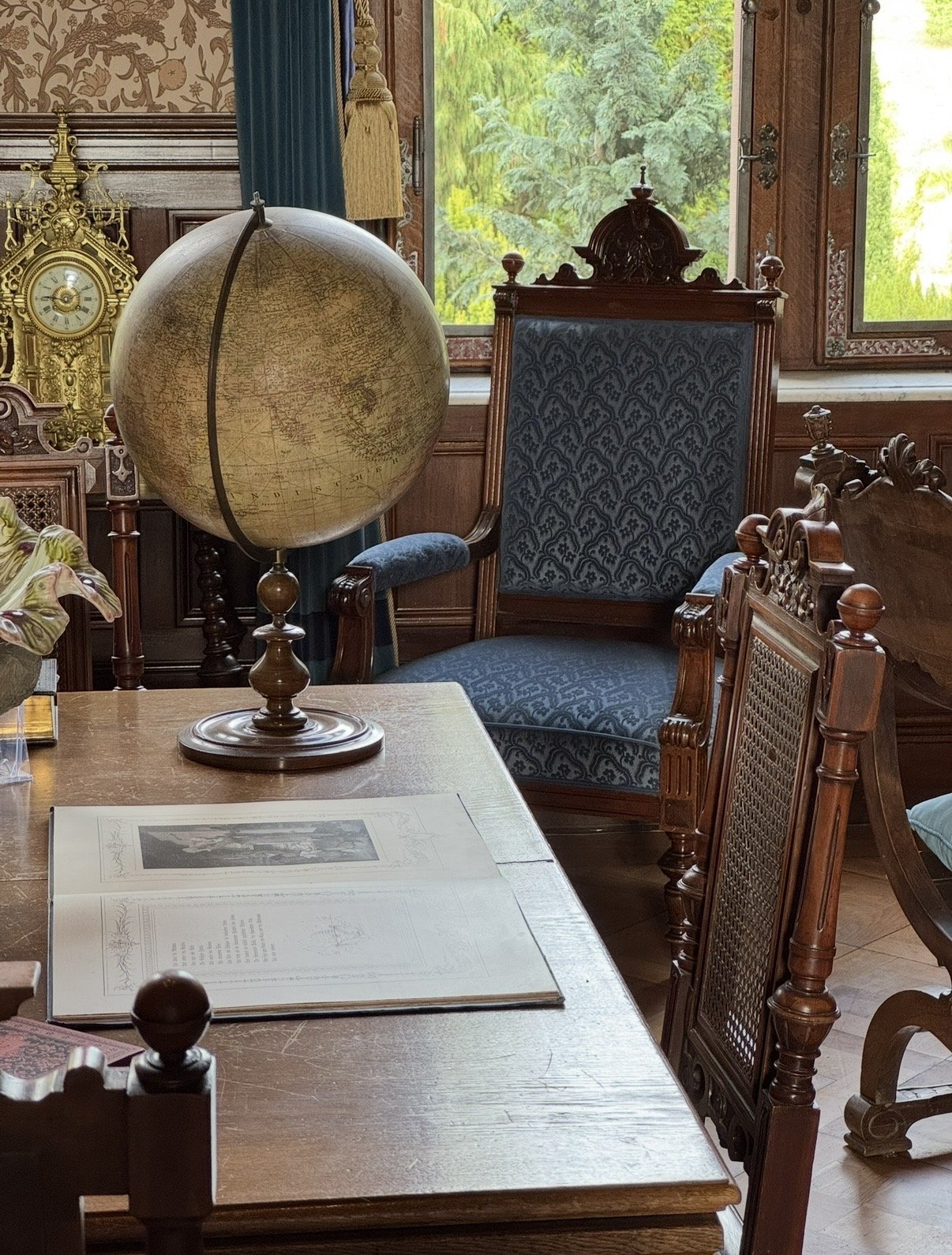
The real shame of it is that academia is basically the only thing I’ve ever felt genuinely made for. Accepted by.
For most of my life, (as I have adequately babbled about by now) I have felt slightly out of phase with the world around me.
Too interested in things that didn’t seem practical. Too willing to disappear down intellectual rabbit holes. Too excited about obscure facts, unanswerable questions, and ideas with no feasible application.
Academia was one of the few places where those tendencies seemed less like flaws and more like features.
For a long time, I imagined I would spend my life there. Not chasing prestige. Just existing inside a culture where curiosity was enough. Where asking questions wasn’t a distraction from life but the point of it.
The Elbow-Patch Lifestyle
Part of the reason I chose the name Prof. Tyndall to create under (outside of gender neutrality and an obscene ego) is to grapple with this grief. To do something with the fact that I’ve wanted to be a professor for as long as I can remember.
Not just the job–the archetype.
Professor: (n.) A creature fueled entirely by caffeine, crusty books, and an unhealthy confidence in their ability to explain things–massive blazer and wiry hairs poking out of their head as they gesture madly.
It has always represented something I aspired to become.
And for a brief period, I actually was one. I taught at the college level. I stood at the front of classrooms. I had office hours and syllabi and students who called me (at 23 years-old, we wonder where the ego comes from) Professor Tyndall.
But, you see, the title was never the important part. Professordom is not a job description. It’s a way of moving through the world.
It’s a commitment to curiosity. A devotion to learning. A willingness to share what you discover with others.
The professor I wanted to become was never defined by an institution. The institution simply happened to be the place where I thought that person lived.
The work now is not to preserve academia as an institution, but to preserve its spirit.
Bring Your Own Ivory Tower
To quote Fantine, “capitalism has killed the dream I dreamed.” Or at least the version of it I thought I wanted. I used to think that meant the professor in me had died too.
But the funny thing about grief is that eventually the emotions run out. The shock. The bargaining. The fear. And all that’s left is an empty room. And the question of what comes next.
And if there’s one damn thing I’ve learned since discovering my autism, it’s that I am unique in utterly zero ways. And that’s wonderful.
Every strange little thing I’ve ever thought belonged exclusively to me turns out to be populated entirely by other people.
People who miss wonder. People who want conversations that aren’t optimized for productivity, branding, networking, or personal gain. People who still think learning might be valuable even if nobody can figure out how to monetize it.
I don’t know if university life can be saved. That’s above my pay grade. (Which, statistically speaking, is nothing.)
What I do know is this:
If you want to kill a professor, taking away the university isn’t enough.
The professordom lives in the impulse. The curiosity. The question. The slightly deranged desire to spend six hours researching something that has absolutely no bearing on your life.
That thing is annoyingly difficult to kill.
So maybe a classroom can happen around a campfire. Maybe a seminar can happen in a comment section. Maybe the hallowed halls were never the point at all. They’re just what happens when enough curious people find each other.
I can still become the person I wanted academia to make me.
And if that’s true, then capitalism didn’t actually kill the professor. It just evicted them.
Prof. Tyndall
’tism. t’eatre. teachin’.