Becoming a Tomboy Again
On compulsory femininity, autistic masking, non-binary-ness, and their intertwined nature
One of the best things I’ve done for myself in the past few years has been allowing myself to dress like a tomboy again.
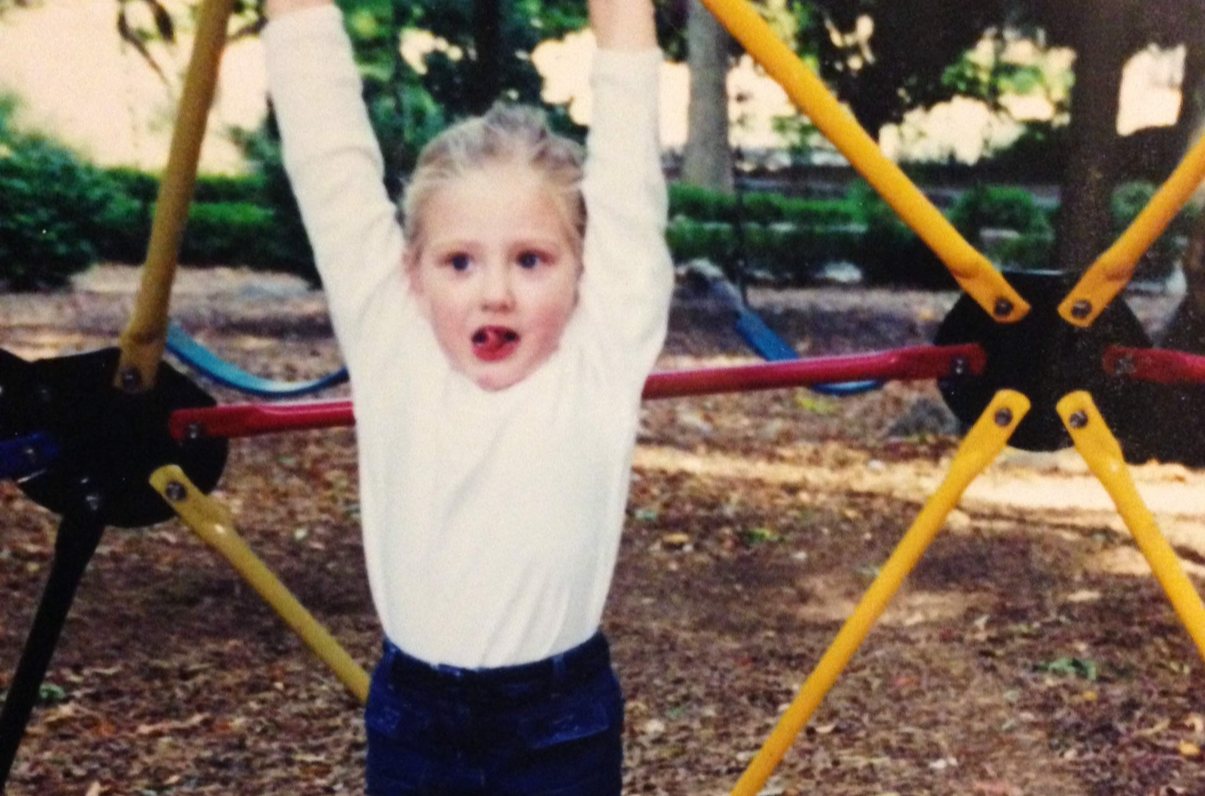
I say again because I wasn’t always the hyper-feminine blonde people came to know. As a kid, I was happiest climbing trees, running around in a low ponytail, and looking vaguely like I had just wandered away from recess.
It wasn’t until I was about twelve that I reached what felt like a perfectly logical conclusion: if I wanted people to like me, I had to be pretty.
And “pretty,” of course, came with a dress code: long, curled, voluminous blonde hair; heavy makeup; fake nails; dresses; skirts; heels; frills. The whole production.
So I got very, very good at it. For 25 years, most people in my life had never seen me without full hair and makeup.
How to be Woman
The funny thing is, I don’t remember consciously choosing any of it.
It wasn’t, I love wearing makeup. It was, This is what women do. Or maybe more accurately: this is what women do if they want to be treated well.
That’s the trick with compulsory femininity. It doesn’t feel optional while you’re living it. It just feels like common sense. Like something you’d be foolish not to take advantage of if you had the option.
You don’t ask yourself whether you enjoy spending two hours getting ready every morning. You ask yourself whether you want people to think you’ve “let yourself go. You hear your dad’s voice pointing out masculine traits in women. Leg hair. No makeup. “Man hands.”
You internalize the idea that femininity isn’t just one possible form of self-expression, but mandatory.
Thank You for Nothing, Society
In fact, much of my childhood was controlled by what my father (who is wonderful in most ways, for the record) deemed appropriate for me to wear.
No tank tops. No short shorts. No crop tops. No low-cut shirts. No leggings. No tight clothing. No athleisure. No black.
I can remember many instances of standing by the front door, dressed and ready to go, only to be told to go change.
Sometimes I acquiesced. Sometimes I tried to be secretive. Sometimes I missed the event entirely. (A college tour, once. Good times.)
Eventually I just accepted it. If my appearance wasn’t approved of by one of the most important people in my life, I’d melt down, stay home alone, and promise myself I’d never make someone else feel this way. That was the routine.
Except it wasn’t just my family.
School dress codes somehow found my body inappropriate while girls wearing the exact same uniform walked by unquestioned.
Theatre didn’t help either. I was constantly cast as ultra-feminine women, and somewhere along the way I started believing I needed to resemble them offstage too.
It’s amazing how quickly external expectations become internal ones.
The Mask Started Itching
One thing I know about myself is that I don’t really do moderation. Once I learn one side of a spectrum is “wrong,” I sprint to the other end. Classic black-and-white thinking.
If being boyish got me teased, then femininity must be the answer. Not some femininity. All of it. Always. A literal mask to keep me safe. (Autism has a funny way of turning social suggestions into operating systems.)
Finally figuring out my autism at the age of twenty-two forced me to ask an uncomfortable question: how much of my personality is actually mine?
The response to that question—what many autistic people call unmasking—ended up extending far beyond social behaviors and sensory preferences. It reached my appearance too.
As I slowly stopped automatically doing all the things I’d always done, I realized that I hated a surprising amount of it.
I hated hair constantly touching my neck. I hated fake eyelashes impeding my vision. I hated clothes that required me to think about them all day.
More importantly, I hated how much energy went toward maintaining an external image that didn’t even match my insides.
But Wait, There’s More!
The deeper I dug, the more I realized this wasn’t only one neat little identity crisis about my aesthetic.
It was a lot of compounding factors: autism, compulsory femininity, gender dysphoria, sensory issues, hormone disorders, weight struggles.
These weren’t separate stories. They all kept reinforcing one another until I couldn’t tell where one ended and the next began.
I needed to mask because I was (unknowingly) autistic. Masking meant femininity.
But femininity was stifling me in ways I couldn’t handle. Heat intolerance problems growing up in Florida. Sensory issues from tough fabric and stiff fits. Weight fluctuation that exacerbated sensory issues. Unpredictability of how people would view and treat me.
Plus hormonal changes that brought on intense bouts of gender dysphoria, about which I told no one.
So on top of all of the other challenges of growing up without knowing you’re autistic, most of my days were ruined by either feeling like an ugly outcast, or feeling physically uncomfortable. Those were the two options.
One Catastrophic Fuck-Ass Bob Later...
Then, thanks to a deeply unfortunate haircut in 2024, for which the only solution was to shear off most of my hair, everything accelerated.
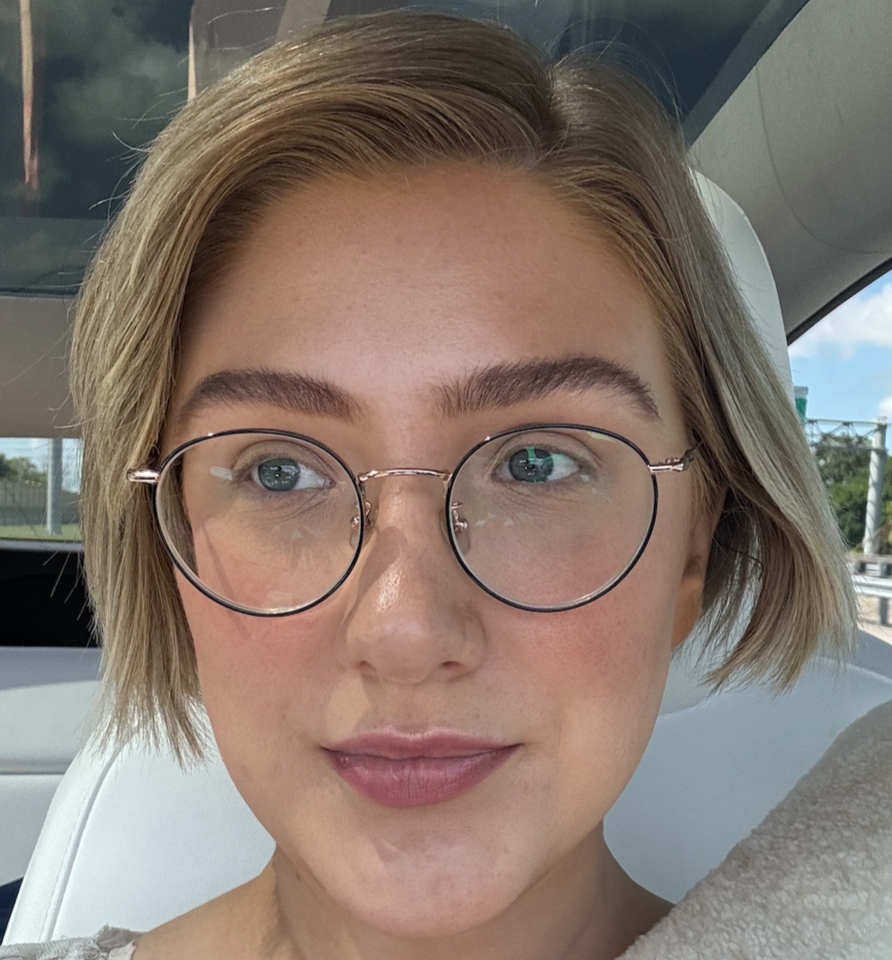
I was suddenly forced into trying a more masculine hairstyle than I’d ever had before.
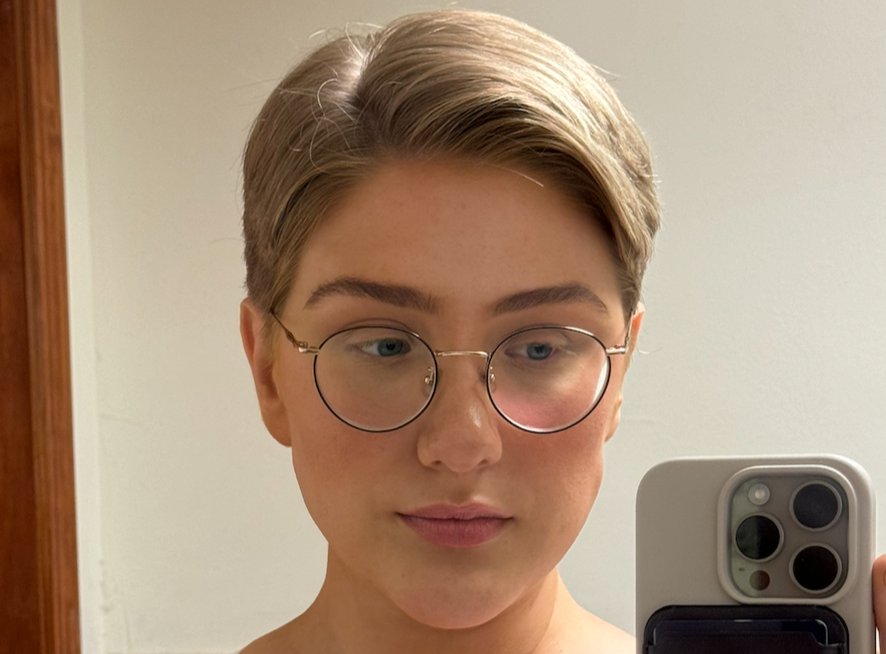
And coincidentally, dresses didn’t look right. Neither did makeup. Nor jewelry. Nor the whole aesthetic I’d spent a lifetime constructing.
And instead of panicking, I felt relieved. The more masculine I looked, the more I wanted the rest of me to match. And the angrier I got about this incredible bliss—this ease—being the default for men.
But it wasn’t all that simple. My long-time partner—now ex—reacted terribly to all of this. And, of course, society did indeed treat me worse.
In other words, all of my greatest fears about dropping the femme performance were staring me in the eyes. And I won’t pretend like it was a smooth road from here on out. But finally I knew.
Pretty is a Social Currency
I’ll admit there are still moments where I’m tempted to revert.
I’m blonde. I’m white. I’m sometimes skinnyish. I have makeup skills. I can be tan with immense effort.
I know exactly how to perform conventional femininity. If I wanted to lean fully into my Sabrina Carpenter era tomorrow, I could. And life would absolutely be easier.
But, thus far at least, I’ve been able to maintain a constant enough level of feminist rage to refrain from relapsing.
Honestly, the thing that really fuels my engine is how often people treat masculinity on women (…or people they perceive as women) like it’s the absence of effort.
If I wear a suit and tie, I’m somehow less dressed up than someone in a dress and heels. If I skip makeup, I’ve “gone casual.” If my hair isn’t curled, I must have mis-managed my time.
As though femininity is synonymous with professionalism while masculinity on women is lazy.
No. I refute.
AND WHILE WE’RE AT IT—no, dressing like this does not automatically make me a lesbian.
Gender and sexuality are two entirely different PowerPoints.
I thank you for your continued confusion.
Gray is Actually My Color
Maybe someday I’ll wake up desperate to wear a sundress. I don’t know.
What I do know is that I can’t go back to treating femininity as something I owe the world.
So for now I shall continue navigating the terror of the middle ground. The gray. The non-binary.
The liminal space where getting dressed feels exciting rather than like preparing myself for public consumption.
And if tomorrow eyeliner and dresses bring me excitement instead of loafers and blazers, be it so.
But I’d like it to be because I chose it. Not because I thought I had to.
The journey is treacherous, but I am strong.
Prof. Tyndall
’tism. t’eatre. teachin’.