
‘Twas the ‘Tism, M’Lord
A Highly Academic Personal Essay About Late Autism Diagnosis
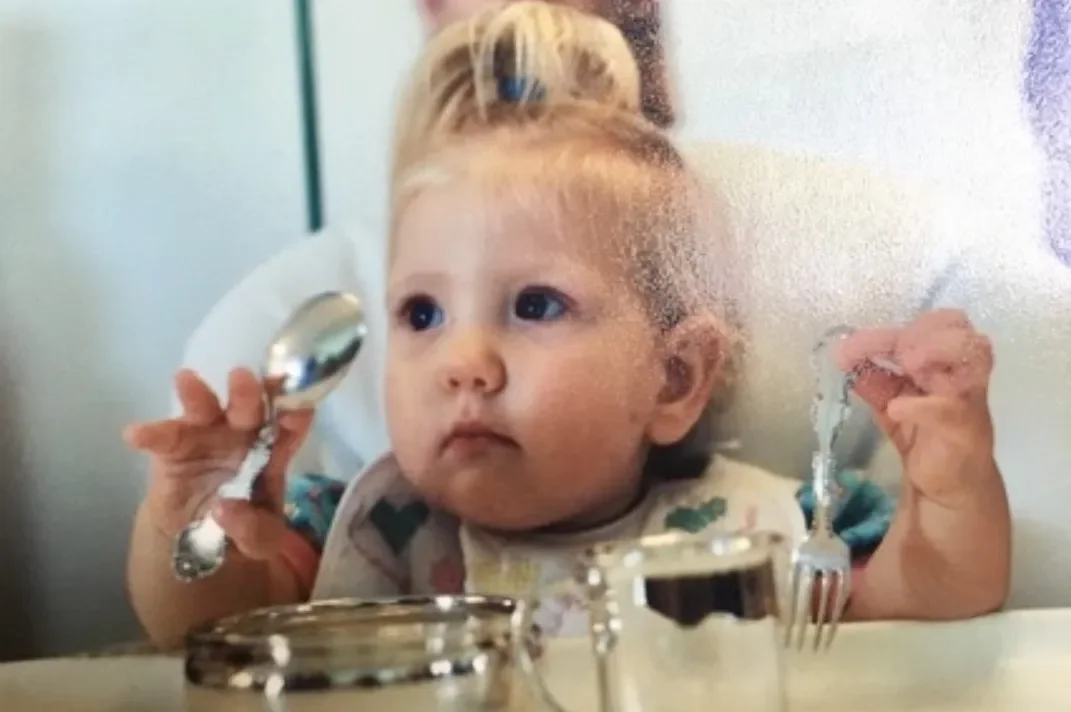
For the first twenty-two years of my life, I believed I was simply bad at being a person.
Not in a dramatic way. Not externally. In a quiet, ongoing, “surely this will resolve itself if I try harder” kind of way. In a way that I fought very hard to hide.
But as I reached high school, I was forced to accept that I struggled–socially, emotionally, and physically. And I assumed this was a personal failing; something I would eventually overcome, therapize away, or power through.
Reader: it was autism.
The entire. time.
The Great Information Omission
No one sat me down and explained this to me. Not a teacher, not a doctor, not a well-meaning adult with pamphlets.
And that is not because I was particularly sneaky about it. It is because autism education, for a very long time, came in exactly one flavor: little white boy who disrupts class.
I was not that.
I was quiet. I was compliant. I was very good at performing normalcy. At school. At working hard enough to make it seem like I was fine–excelling, even. And I was just a girl. But eventually, I was an adult. So autism simply never entered the chat.
Instead, I spent years auditioning other explanations.
2019: A Year of Inquiry, Not Answers
In 2019, autism was not yet trendy. It was not algorithmically served. It existed mostly in Autism Speaks PDFs and sad Facebook posts your aunt reshared with no context.
A college friend once reposted a video about autism. I watched it. I briefly thought of the Token Autistic Boy from my high school. I clocked, for the first time, that autism could apply to women.
“Huh,” I thought, before immediately returning to my regularly scheduled depression.
At the time, you see, I was at post-college mental health rock b, which meant I did not have the emotional bandwidth to learn about someone else’s problems. I had my own problems. Namely: why I felt so bad all the time.
Why I Felt Bad All the Time (A List)
1. I Have Always Been the Weird One
I was homeschooled growing up to travel with my family. ‘Nuff said, you might be thinking. But there’s more:
I did not watch TV. I was a tomboy (flag that for later). I mainly befriended old people and animals. I was introverted and quiet. I went to public high school starting in tenth grade, not ninth. I did not speak Spanish like most of the people around me. Etc, etc etc.
There were always reasons I could point to. Explanations for my social exile.
Then I went to college. Everyone was new. Everyone was awkward. The excuses disappeared.
I was still excluded.
Suspicious.
2. I Moved Home and It Was…Not Great
After college, I lived at home again. It became clear that my presence alone seemed to distress my family. Not intentionally. Just…structurally. I was angry all the time. I was existentially sad. I was societally frustrated.
And I was inadvertently hurting the people I loved most.
3. The Walmart Problem
I also started having what I now know were sensory overload episodes. Walmart. Costco. Fluorescent lighting. Too much noise. Too hot. Too many people. Too many decisions.
At the time, I thought this meant I was simply…fragile. Ill-adapted. Perhaps insane.
But I was also getting much worse at hiding it, which supplied a fresh level of terror.
The Research Montage
Naturally, I researched.
First, I decided it was merely anxiety and depression like everyone else and I was just being dramatic. (To be clear: I do have those. This is not a slander campaign.)
Then I decided I was a hypochondriac inventing symptoms for attention. Even though I hate attention. I still believe this sometimes, which—spoiler—is also super autistic.
Then, briefly, I wondered if I was reincarnated. (Times were hard and I was hanging out with actors, okay?)
The Dexter Incident
Then I watched the tv show Dexter. And something clicked.
I had never related to a character so intensely. He scripted conversations. His facial expressions were flat. He had no interest in people. He was seemingly asexual. Social interaction depleted him. He performed normalcy. Just like me.
He masked. And while I did not yet have the language for masking, I knew I was performing around people, and that it was costing me everything.
“Okay, so I am Dexter,” I thought. “Without the murder, though?”
This led me to research sociopathy and psychopathy, where I learned that one could theoretically be on that spectrum without committing heinous murdersome crimes.
This was my working theory for a short, alarming period of time.
And Then, Finally, Autism
Eventually, the algorithm intervened.
I came across a TikToker named Paige Layle (bless up girl, owe ya my life), talking about how autism in girls is different. And understudied.
Every word applied to me. Not just the parts I already worried about, but things I had never questioned—things I assumed were universal human experiences.
Dears: they were not.
I fell directly down the #ActuallyAutistic rabbit hole, and have not resurfaced since. That was seven years ago.
What Changed (And What Didn’t)
Discovering I was autistic did not cure me.
I still struggle. Frequently. Regularly. With enthusiasm.
But now I struggle with context.
I know my limits. I know which environments will take me out. I have vocabulary, tools, and a working theory of myself. When things implode, it is no longer proof that I am broken—it is understandable, given all that I am balancing.
Also, I am no longer alone.
Since then, I have helped family members, friends, students, and coworkers realize they are autistic too. I study autism academically through writing and performance. I coach neurodivergent actors. I consult with theatre companies about neuroaffirming practices. I teach workshops. I develop accommodations. I have a lot of charts, without shame.
It has changed everything.
A Friendly Warning
Autism is often just the tip of the medical and psychological iceberg.
If you are new to this, please know: more diagnoses and labels will likely arrive as you continue uncovering things. This is normal. It is not a punishment. It is not hypochondria. It is simply how the body reveals itself after unlocking a life-changing, paradigm-shifting piece of information about yourself.
Something to look forward to.
Final Notes from the Professor
I spent years thinking I was defective.
I was not.
The rubric was wrong. The syllabus was incomplete. The system did not account for people like me.
So now, I teach what was missing.
Class dismissed.
Prof. Tyndall
’tism. t’eatre. teachin’.